
Cruising Portugal’s Douro River: 10 Things to Know Before You Go
9/14/26

If you’re dreaming of vineyard-covered hillsides, historic villages, beautiful gardens, regional cuisine, and leisurely afternoons spent sampling Portuguese wine, a Douro River cruise may be calling your name.
After recently sailing Viking’s Portugal’s River of Gold, I discovered that cruising the Douro is quite different from sailing Europe’s larger rivers—and that is part of its charm.
The Douro offers a slower, more intimate journey through one of Portugal’s most beautiful regions. Before you book, however, there are a few things worth knowing.
1. The Douro Is All About the Scenery
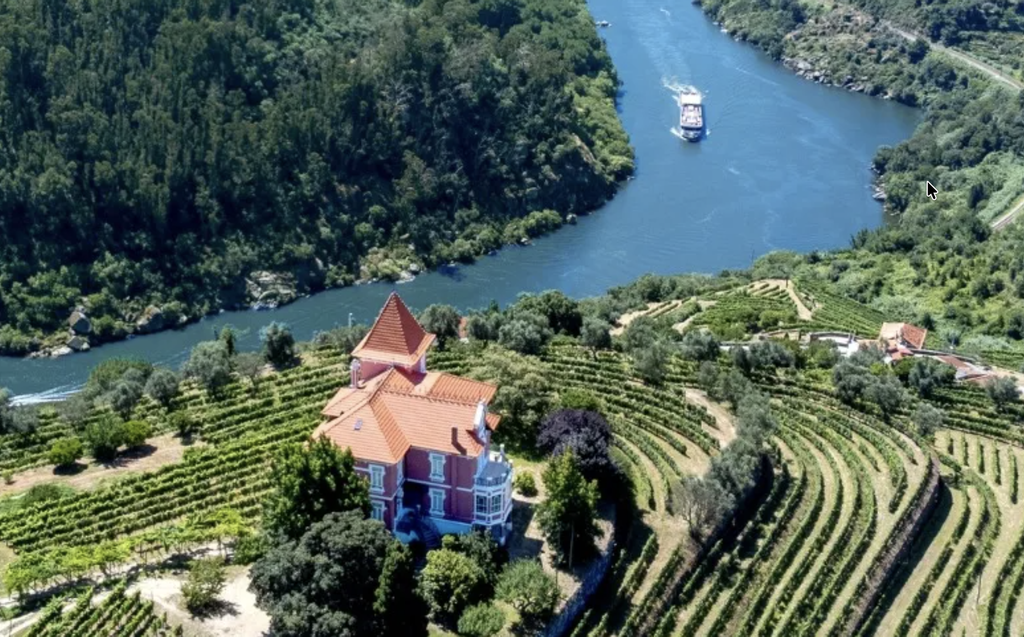
The landscape is the star of a Douro River cruise.
As you travel inland from Porto, the river narrows and the scenery becomes increasingly dramatic. Terraced vineyards climb the steep hillsides, small villages appear along the riverbanks, and historic wine estates—or quintas—dot the countryside.
Unlike some European river cruises, where ships often dock in the center of major cities, the Douro is more rural. The experience is less about moving between famous capitals and more about enjoying the countryside, local traditions, and unhurried rhythm of northern Portugal.
It is a wonderful choice for travelers who appreciate beautiful landscapes, photography, food and wine, and a slower style of travel.
2. Most Journeys Begin or End in Porto
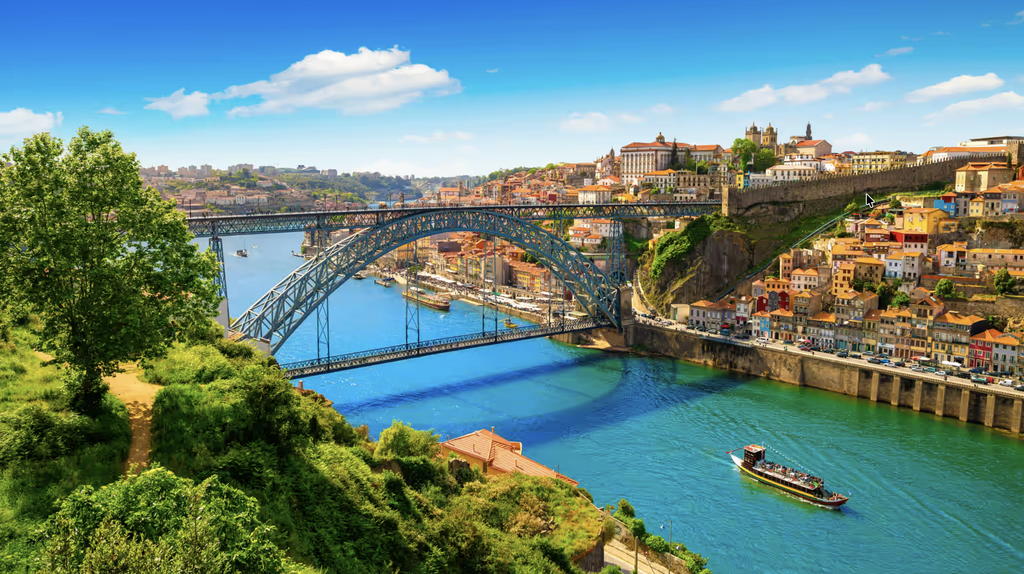
Porto is the natural gateway to the Douro Valley and deserves time beyond simply boarding your ship.
Known for its colorful riverfront, tiled churches, historic neighborhoods, and port wine cellars, Porto offers a lively contrast to the peaceful countryside farther inland.
Depending on the cruise line, your itinerary may also include time in Lisbon before or after the cruise. Viking’s Portugal’s River of Gold, for example, combines a Lisbon hotel stay with the Douro sailing, giving travelers an opportunity to experience both Portugal’s cosmopolitan capital and its celebrated wine region.
If your itinerary does not already include additional time in Porto or Lisbon, I recommend considering a pre- or post-cruise stay.
3. Douro River Ships Are Smaller
Because of the river’s locks, bridges, and navigation requirements, ships sailing the Douro are specially designed for the region. They are generally smaller than the longships travelers may recognize from the Rhine or Danube.
This creates an intimate onboard atmosphere, with fewer guests and an easygoing sense of community. You quickly become familiar with the staff and often get to know fellow travelers during meals and excursions.
The smaller ship does not mean sacrificing comfort. Our accommodations were thoughtfully designed, the public spaces were inviting, and the service throughout the cruise was warm and attentive.
4. Daytime Sailing Is Part of the Experience
Ships on the Douro generally sail during daylight hours because of the river’s navigation restrictions.
That is good news for travelers: you are less likely to sleep through the scenery.
Some of my favorite moments were simply relaxing onboard and watching the landscape unfold—vineyards, olive groves, villages, bridges, and steep hillsides reflected in the water. Passing through the Douro’s impressive locks is also an experience in itself.
When choosing a cabin, consider how much time you expect to spend enjoying the view from your room. A balcony or veranda can be especially appealing on this scenic river, although the upper deck and public lounges also offer wonderful viewing areas.
5. Wine Is Important—but There Is More to Discover
The Douro Valley is one of the world’s oldest recognized wine regions and is best known as the birthplace of port. Tastings and visits to wineries and historic estates are naturally an important part of many cruise itineraries.
But the region offers much more than port wine.
You may sample Douro table wines, olive oil, regional cheeses, breads, pastries, and traditional Portuguese dishes. Many excursions also introduce travelers to the families, farmers, and artisans who continue the area’s longstanding traditions.
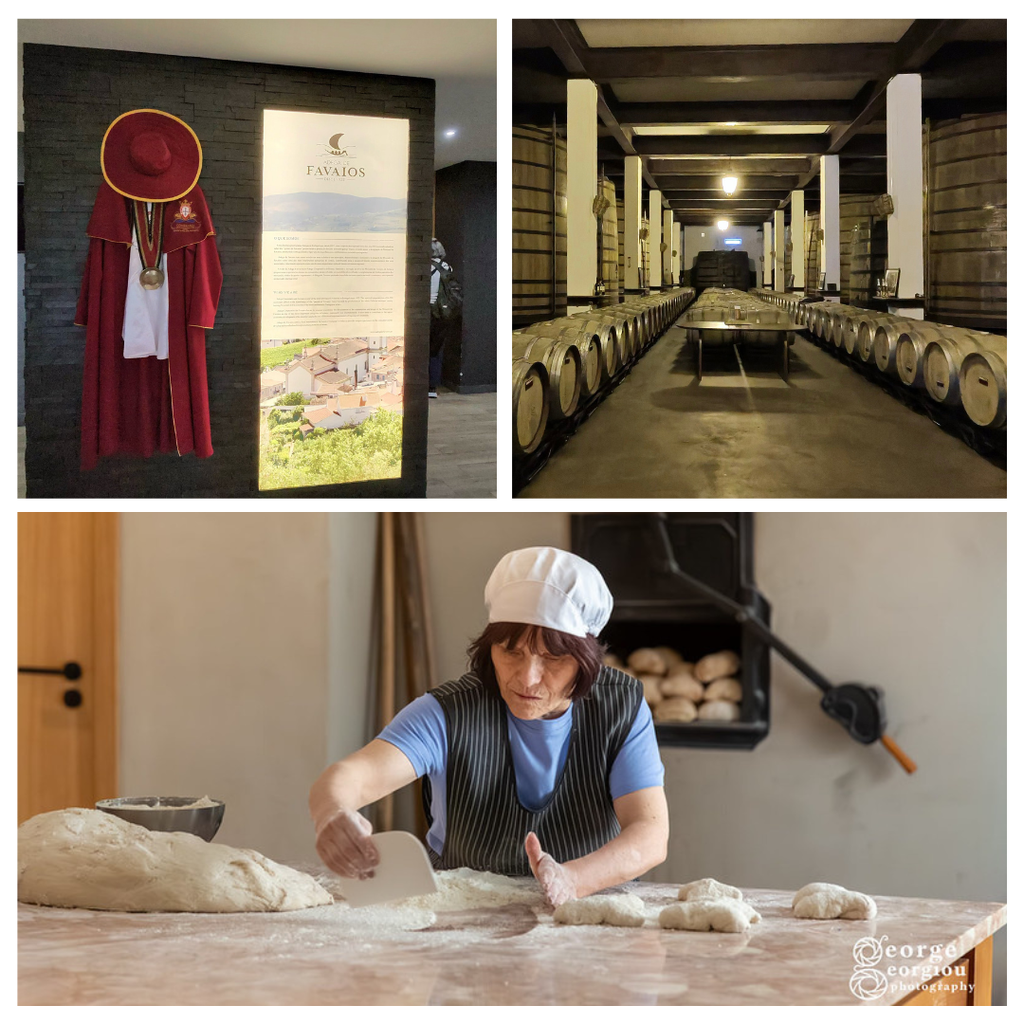
At Quinta da Avessada, for example, we experienced the region through its wine, food, hospitality, and wonderfully memorable local personalities. In the village of Favaios, a bakery visit offered another glimpse into everyday traditions that have been passed down through generations.
Come curious—and hungry.
6. Excursions Often Take You Away From the River
Some of the Douro Valley’s most interesting places are located high above the water or farther inland, so excursions commonly involve motorcoach transportation.
Depending on your itinerary, you might visit the gardens of Mateus Palace, explore the hilltop village of Castelo Rodrigo, tour a family-owned winery, or travel across the Spanish border to Salamanca.
The drives are part of the experience, offering views of the countryside that you cannot see from the ship. Although we didn’t have experience problems, travelers prone to motion sickness may want to bring medication, as some roads are winding.
It is also helpful to review excursion descriptions carefully. Look for information about walking distances, uneven surfaces, stairs, and the amount of time spent traveling by coach.
7. Comfortable Shoes Are Essential
Portugal’s historic towns and villages are beautiful, but their cobblestone streets, slopes, and uneven pathways can be challenging.
Bring your supportive walking shoes with good traction as some excursions include hills, stone steps, or extended periods of standing, especially at historic sites, gardens, and wineries.
Travelers with mobility concerns should discuss the itinerary with me before booking. Together, we can review cabin location, excursion activity levels, transportation, and any accessibility considerations.
8. The Weather Can Be Hot
The Douro Valley can become very warm during the summer, particularly in July and August. Temperatures inland may be considerably hotter than in Porto or Lisbon.
Spring and fall often offer more comfortable sightseeing weather, along with seasonal changes in the vineyards. Late summer and early fall may appeal to travelers interested in the grape harvest, while spring brings green landscapes and gardens in bloom.
Regardless of when you travel, pack lightweight layers, sunscreen, sunglasses, a hat, and light raincoat for the occassional shower. A sweater or wrap is also useful for air-conditioned spaces and cooler evenings.
9. The Pace Is Relaxed—but the Days Can Be Full
A Douro River cruise feels wonderfully unhurried, but that does not mean there is nothing to do.
Most days offer a combination of scenic sailing, guided tours, winery visits, cultural experiences, meals, and onboard programming. You can participate in everything or choose a slower pace and enjoy more time aboard the ship.
That flexibility is one of the pleasures of river cruising. You unpack once, settle into your surroundings, and decide how active—or relaxed—you want each day to be.
10. Portuguese Cuisine Is Part of the Journey
Food is an important part of experiencing Portugal, both ashore and onboard.
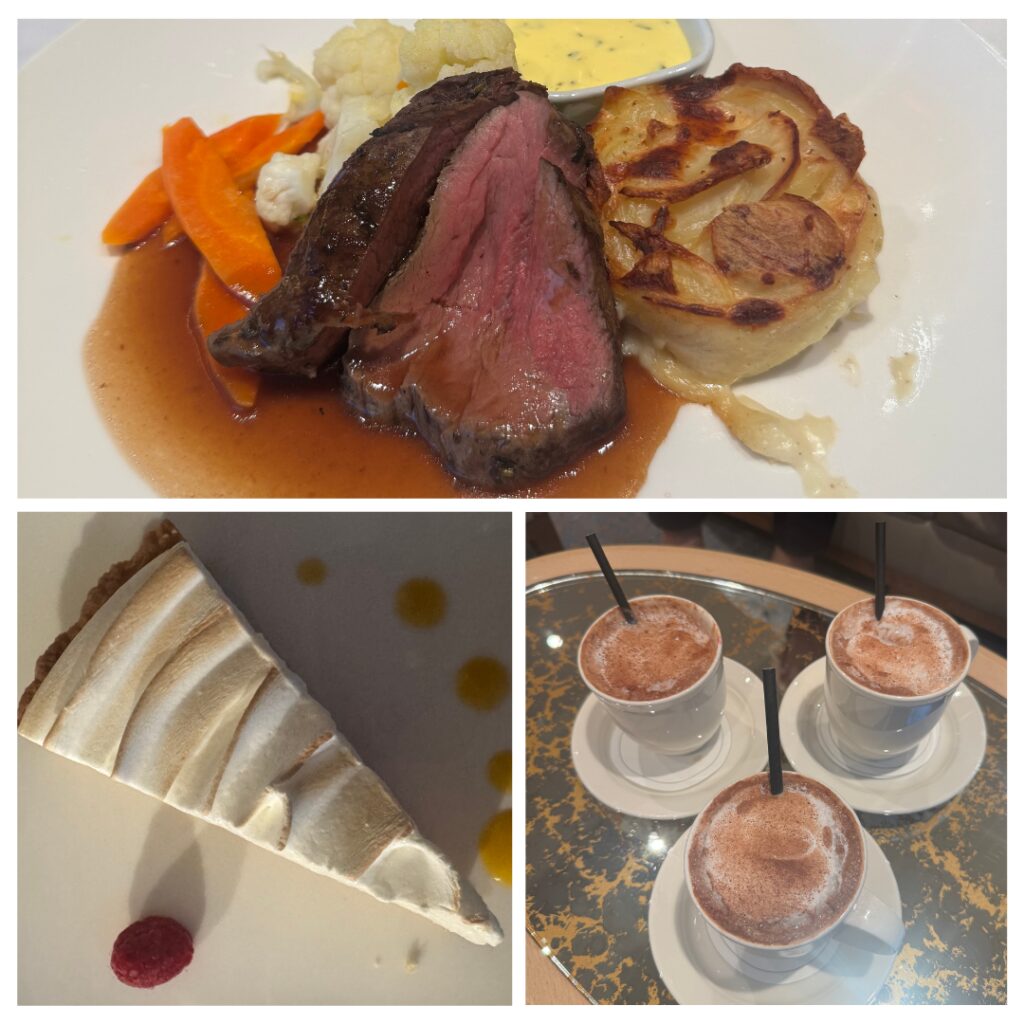
Expect menus inspired by regional ingredients and traditions, including fresh fish, roasted meats, soups, cheeses, breads, pastries, olive oil, and locally produced wines. Cruise meals may also include familiar international choices for travelers who prefer them.
Dietary needs should be communicated in advance, but I found the onboard staff attentive and eager to help. The warm service, excellent meals, and personalized care were among the highlights of my Viking experience.
Is a Douro River Cruise Right for You?
A Douro cruise may be an excellent fit if you enjoy:
- Scenic landscapes and leisurely sailing
- Food, wine, and regional traditions
- Historic villages, estates, and gardens
- Smaller ships and an intimate atmosphere
- A comfortable way to explore without repeatedly packing and unpacking
- A balance of guided activities and relaxing time onboard
It may be less suitable if your priority is visiting several major European capitals or having extensive independent time in port each evening. The Douro is quieter, more rural, and focused on the character of the region.
And that is what makes it special.
My Final Advice
Give yourself permission to slow down.
A Douro River cruise is not about racing from one famous attraction to the next. It is about watching the sunlight move across the vineyards, tasting wines where they are produced, wandering through historic villages, and learning about the people and traditions that have shaped this beautiful valley.
Portugal surprised me in the very best way. The Douro, in particular, reminded me that some destinations are best experienced slowly—one landscape, flavor, and story at a time.
I’d love to hear from you: If you are considering a Douro River cruise, I would love to help you compare cruise lines, sailing dates, cabin options, and pre- or post-cruise stays in Lisbon and Porto.
Reach out to me at Monica@MagnoliaTravelDesigns.com to start planning your next vacation.
Leave a Reply


