
What You Can’t See in a Hotel Photo: Six Questions to Ask Before You Book
10/19/26

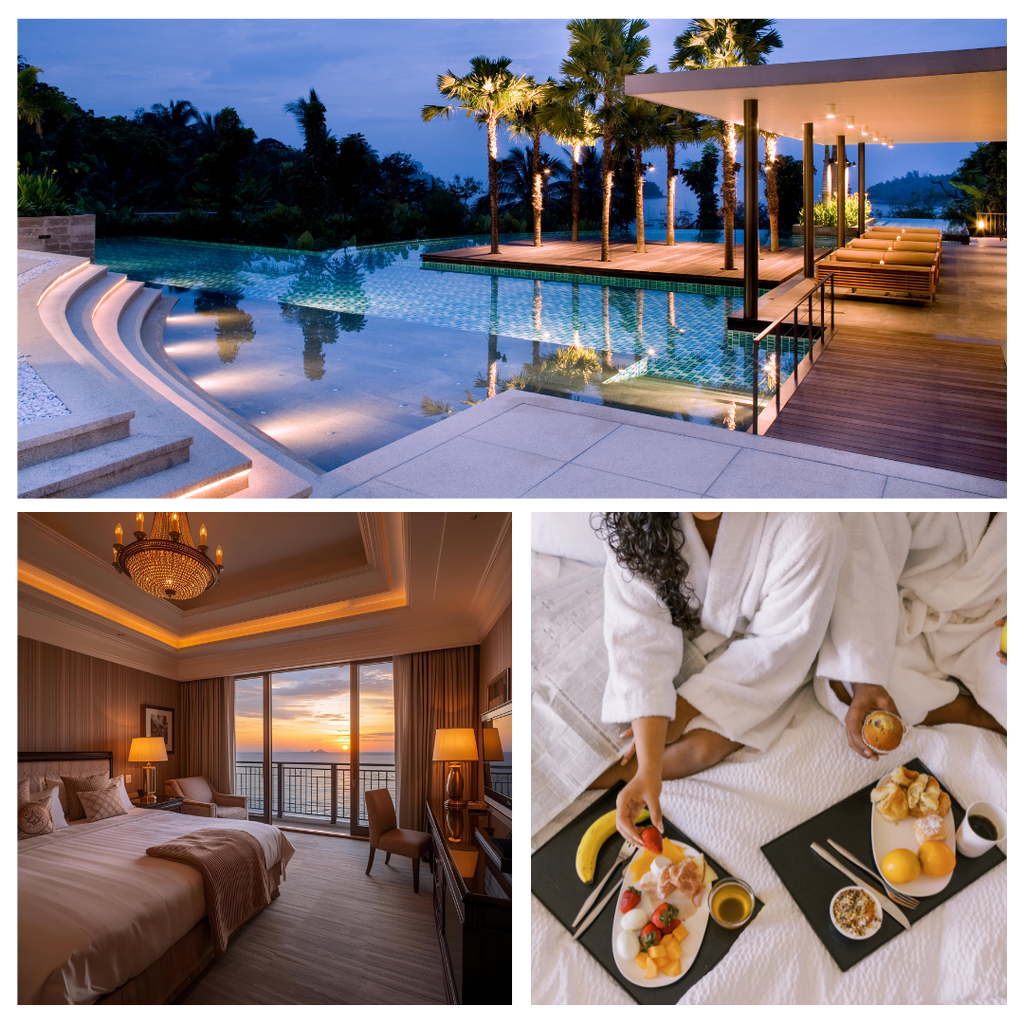
Have you ever fallen in love with a hotel photo? Maybe it was the balcony overlooking the rooftops, the inviting pool, or the promise of breakfast with a view.

Beautiful photographs make it easy to picture yourself on vacation. But they can’t tell you everything about staying there. The neighborhood, atmosphere, service, and practical details all help determine whether a hotel is right for your trip.
Whether you’re planning a weekend getaway, a family vacation, or a special celebration, these six questions will help you look beyond the images and choose with more confidence.
1. How do I want to spend my days?
Before comparing hotels, imagine a typical day on your trip.
Will you leave after breakfast to explore and return after dinner? Or are you looking forward to slow mornings, afternoons by the pool, and plenty of time enjoying the property?
If you’ll be out sightseeing most of the day, a convenient location and a comfortable room may be your priorities. If the hotel is part of the experience you’re looking forward to, give more attention to its restaurants, outdoor spaces, activities, and atmosphere.
Consider your travel companions, too. A family might appreciate a pool and space for different bedtimes. A couple celebrating an anniversary may prefer a private terrace and somewhere lovely to enjoy dinner.
Ask yourself: How much time will I spend at the hotel, and what would make that time enjoyable?
2. Does the neighborhood fit my plans?
A hotel’s location shapes more than the view from your window. It affects how easily you can explore, where you’ll eat, and how much time you’ll spend getting around.
Descriptions such as “central” or “close to attractions” deserve a closer look. Check the actual routes to places you want to visit, along with nearby restaurants and transportation options.
Would you enjoy stepping outside for coffee or walking to dinner? Do you want to return easily for an afternoon break? Or would you prefer a quieter setting and be happy arranging transportation?
A hotel farther from your activities may offer more space or a lower rate, but factor in the extra travel time and transportation costs. A busy central location may be convenient while bringing more street noise.
Ask yourself: What will getting to and from my activities involve each day?
3. Will I enjoy the atmosphere?
Two hotels with similar rooms and prices can feel very different.
One might have music around the pool and a lively lobby bar. Another might offer peaceful gardens and quiet corners for reading. A large resort may give you plenty of choices, while a smaller property may feel more intimate.
Think about what you want from this particular trip. The hotel you’d enjoy for a friends’ getaway might be different from the one you’d choose for a restful week with your partner.
Look at photographs of the shared spaces as well as the rooms. Read recent reviews for recurring comments about noise, crowds, service, and the overall mood. Pay attention to observations that relate to your preferences.
Ask yourself: Can I picture myself relaxing and enjoying time here?
4. What service would make my stay easier?
Service is difficult to capture in a photograph, yet it can become one of the most memorable parts of a stay.
You might appreciate help with dining reservations, a thoughtful local recommendation, or someone who can assist when plans change. You may prefer a more independent experience, with help available when you need it.
Consider the practical support you’ll want. If you’re arriving late, confirm the check-in arrangements. If you need luggage assistance, transfer coordination, or help with a special occasion, ask what’s available and whether it costs extra.
Knowing these details ahead of time can make your arrival—and the days that follow—feel more relaxed.
Ask yourself: What assistance would help me settle in and enjoy my trip?
5. Will the room and property meet my comfort needs?
A hotel’s gallery may feature several room categories, including suites and upgraded views. Make sure the photographs and descriptions you’re considering apply to the room you’re booking.
Look closely at the features that matter to you:
- Beds and space: The bed configuration, room size, and room to store luggage.
- Bathroom layout: A walk-in shower, bathtub, or any accessibility features you need.
- Temperature control: Air-conditioning availability and seasonal operation.
- Views and outdoor space: What “sea view,” “balcony,” or similar descriptions mean for that category.
- Rooms together: Whether connecting rooms can be confirmed.
- Room location: Whether a quiet room or preferred floor is guaranteed or simply requested.
Think about access throughout the property, too. A historic hotel may have steps along the route to your room, even if it has an elevator. A large resort may involve long walks between accommodations, restaurants, and the pool.
And “walkable” can mean different things to different people. A short route into town might include hills, cobblestones, or stairs. If you have mobility needs, request specific details about the room and the routes you’ll use.
Ask yourself: Are the features I need confirmed for the room I’m reserving?
6. What is the full cost of the stay?
The nightly rate is one part of the decision.
Check what’s included and what you’ll pay for separately, such as breakfast, parking, property fees, transfers, or access to certain facilities. Review cancellation terms and payment deadlines, too.
Then think about the value those inclusions offer you. Breakfast may be a welcome convenience if you like an easy start to the day. A central location could reduce transportation costs. A pool may be worth paying more for if you plan to use it every afternoon.
Compare hotels based on the overall cost and the benefits you’ll actually enjoy.
Ask yourself: What am I paying in total, and how well does this stay support my plans?
Make your final choice personal
Before deciding, choose your three most important hotel qualities.
Perhaps they’re a quiet room, restaurants within walking distance, and a spacious bathroom. Or attentive service, a beautiful pool, and comfortable places for the family to gather.
Those priorities will help you weigh the options and make tradeoffs with confidence. A hotel doesn’t need every possible amenity to be a wonderful fit for your trip.
In my work as a professional travel advisor, understanding these preferences is an essential part of matching a stay to a traveler. The better I understand how someone wants to spend their time, the more useful my recommendations can be.
The best hotel choice is one that makes your days feel easier—and your time away feel well spent.
What hotel detail have you learned matters most to you? Drop a comment below – I’d love to hear what makes a stay memorable for the right reasons.
Leave a Reply


